
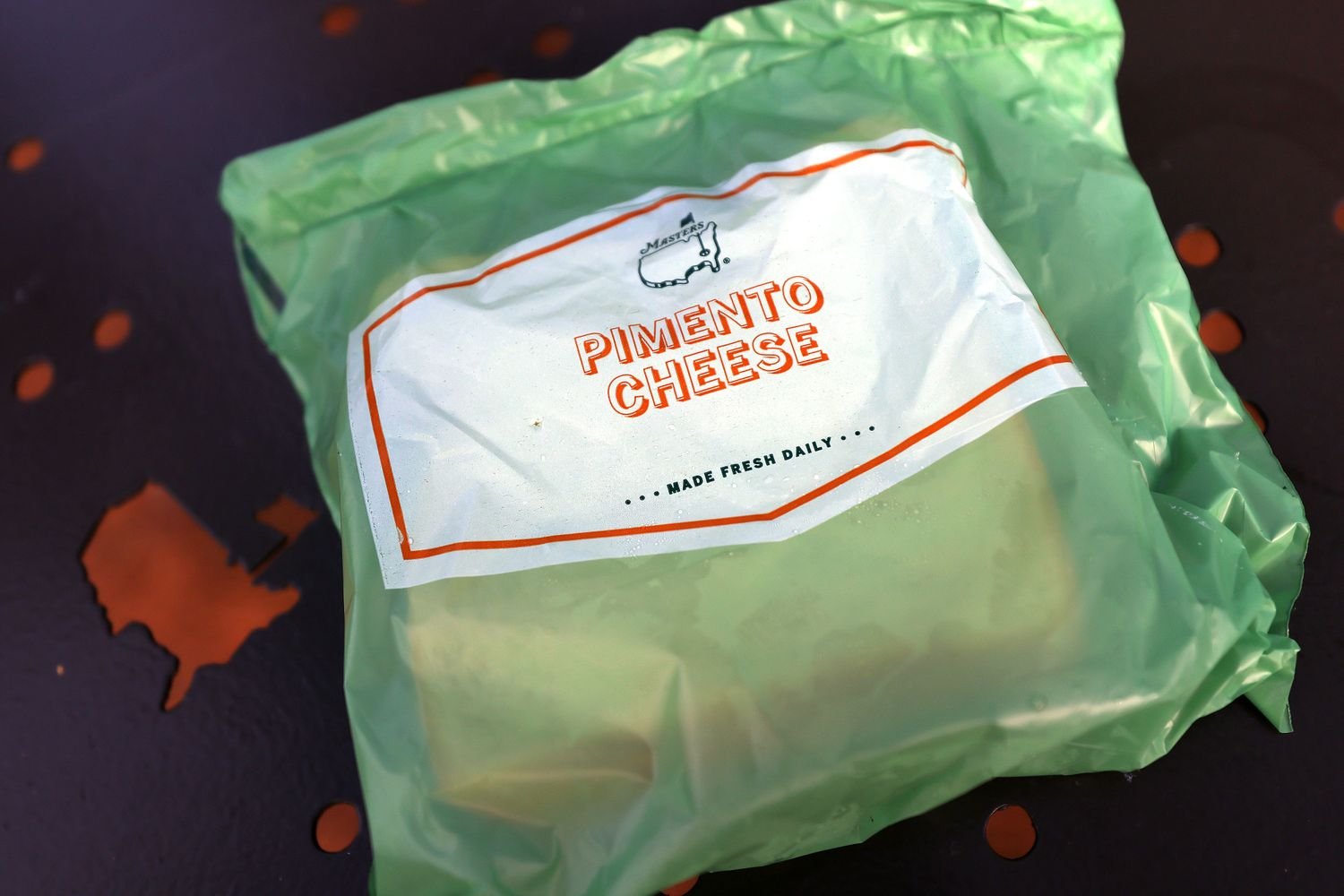
Credit: Food & Wine Magazine
What a $1.50 sandwich can teach you about building a brand people never forget.
Every April, Augusta National hosts the most-watched golf tournament on earth. The greens are immaculate. The drama is real. Congrats Rory.
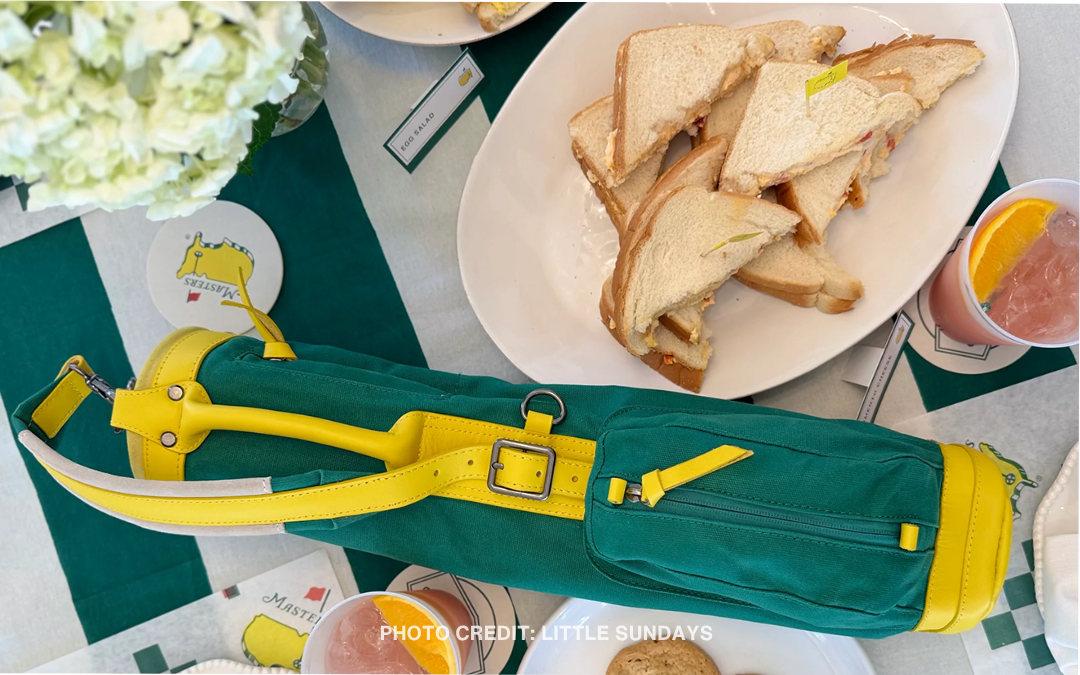
And somewhere in the crowd, 40,000 people are eating a pimento cheese sandwich that costs less than a coffee. A complete pause on all phones. That's not an accident. It's a masterclass.
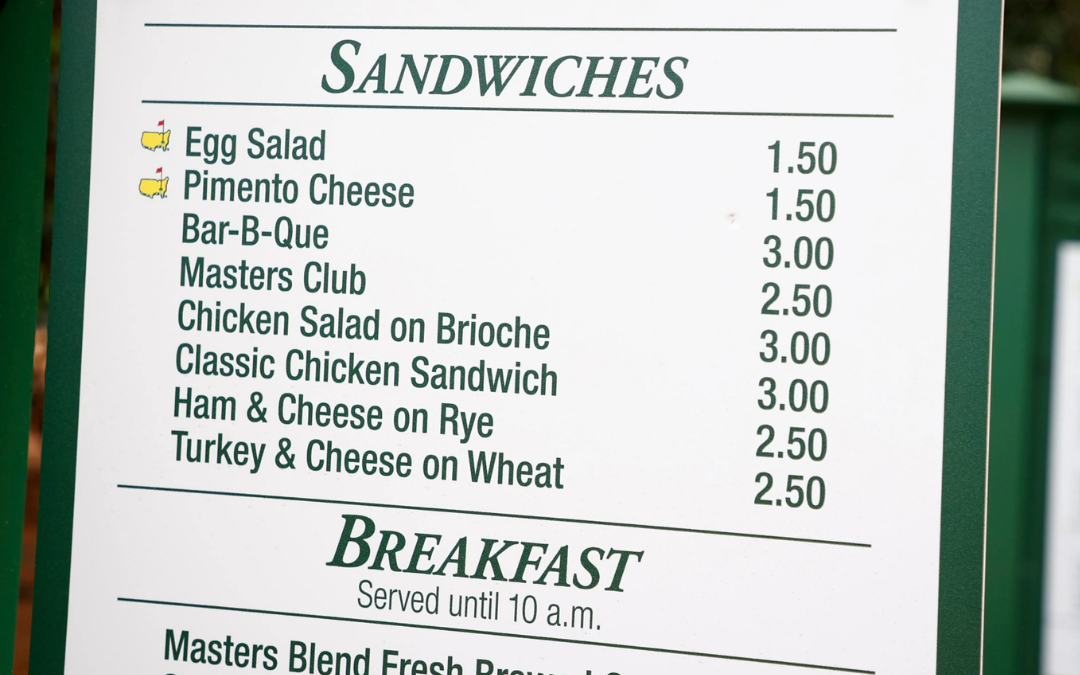
LESSON 01 - Pricing is part of the experience.
The cost of the sandwich is just as important as the greens.
Augusta charges around $1.50 for a pimento cheese sandwich. At a major sporting event, in 2025, that's almost absurd. And yet it's one of the most talked-about details of the entire tournament. Why? Because it signals something bigger than price. It says: we believe everyone here deserves to feel at home. Pricing is a brand decision before it's a financial one. Where you charge a premium says something. Where you choose to stay accessible says something else. The Masters does both. Tickets are notoriously hard to get, but once you're in, a sandwich costs next to nothing. That contrast is deliberate. It creates a feeling of generosity inside an exclusive world. Your pricing architecture should tell a story. What story is yours telling?
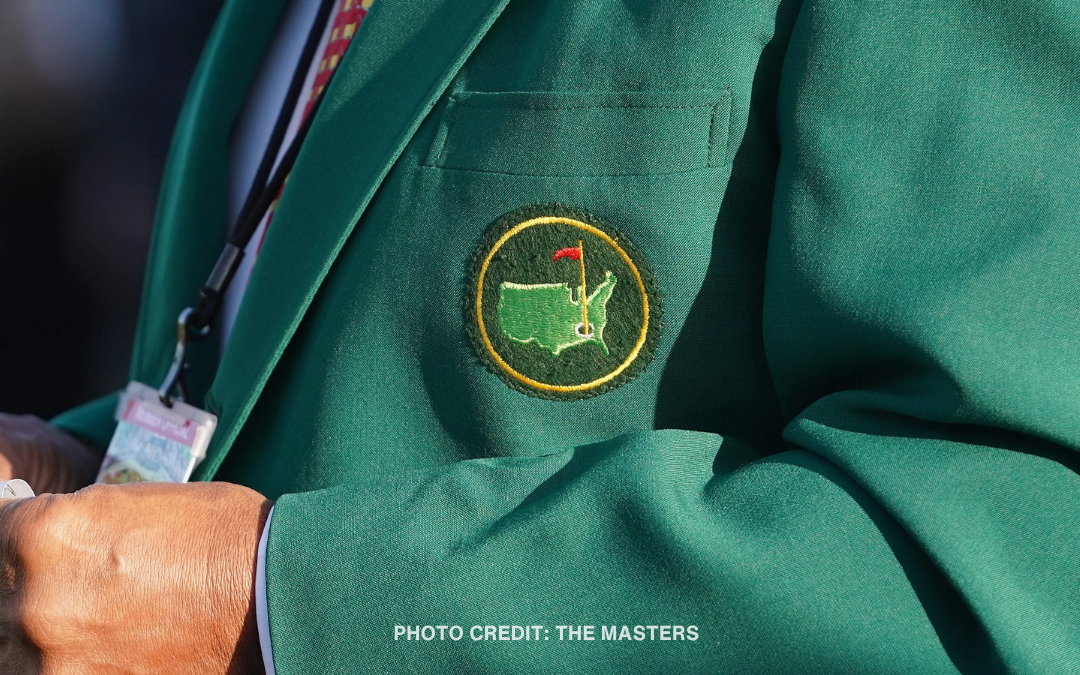
LESSON 02 - A great logo isn't the point.
The Masters logo is fine. The feeling behind it is unforgettable.
The Masters logo is a simple outline of the United States with a flagstick planted in Georgia. It isn't a design icon. It won't win awards. And it doesn't need to. Because the logo isn't carrying the brand. The brand is carrying the logo.
Founders spend enormous energy on logos.
The right typeface, the perfect mark, the color that feels premium. None of that matters if there's no feeling behind it. The Masters logo works because everything around it, the setting, the silence, the tradition, the drama, loads it with meaning over decades.
Your logo is a placeholder for an emotional experience. Focus on building the experience first. The logo will earn its weight.
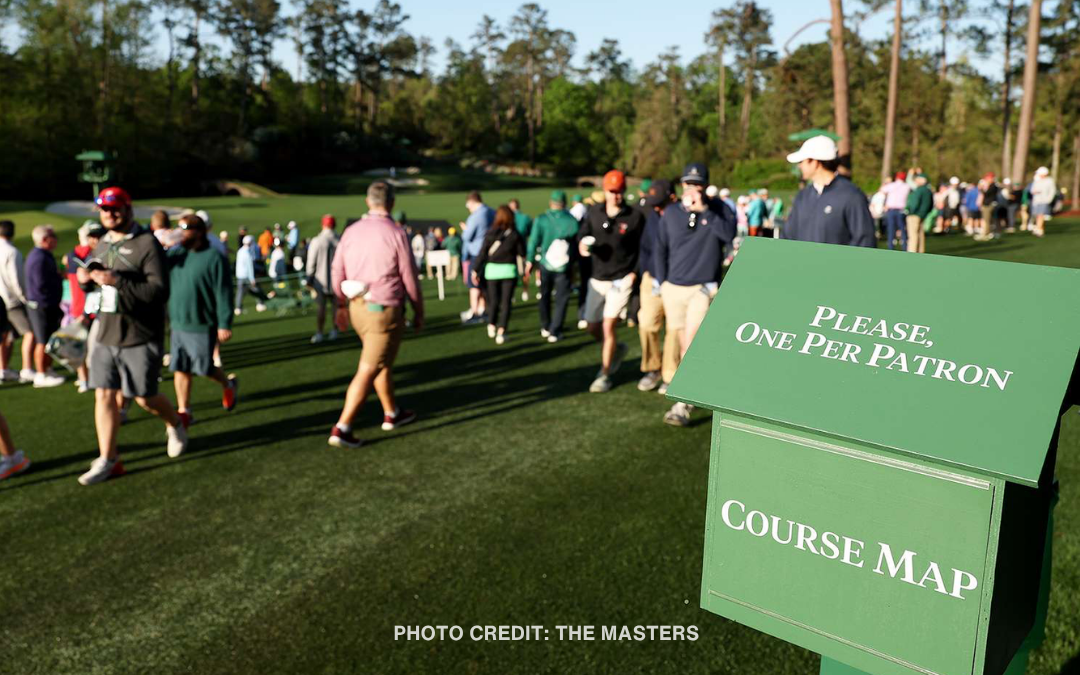
LESSON 03 - Name your community
They aren't fans, spectators, or ticket holders. They're patrons.
Augusta calls its attendees patrons. Not fans. Not guests. Not crowd. Patrons. It's one word, and it does enormous work. It elevates the person holding the ticket. It implies they aren't just watching. They're part of something. They're custodians of a tradition. They belong here. The strongest brands give their community a name.
Apple has creatives. Peloton has riders. A name creates an identity, and identity creates loyalty that no discount or campaign can manufacture. What do you call the people who believe in what you're building? If you don't have an answer yet, that's the work.
LESSON 04 - Own your zone.
From that specific shade of green to the food on the menu, every sensory detail at Augusta is doing a job.
There's a color so associated with Augusta that people simply call it Masters green. There's a sandwich that tastes like the tournament itself. There's a stillness in the crowd that you don't hear anywhere else in sport. None of this happened by accident. Every sensory touchpoint, the smells, the flavors, the colors, the sounds, was either chosen or protected deliberately. Most brands treat sensory identity as decoration.
The Masters treats it as strategy. Your brand has the same opportunity. What does your world smell like, taste like, feel like? Don't casually borrow a color or copy a vibe. Own something. Commit to it. Build a world around it. The brands people can't stop talking about aren't louder than everyone else. They're more specific.
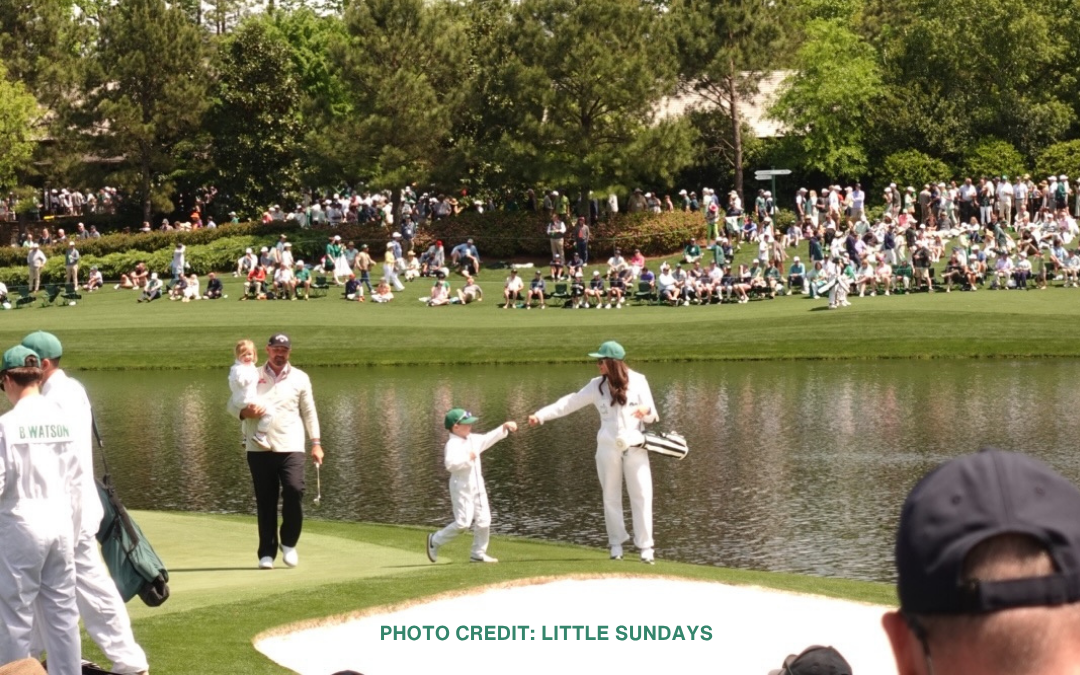
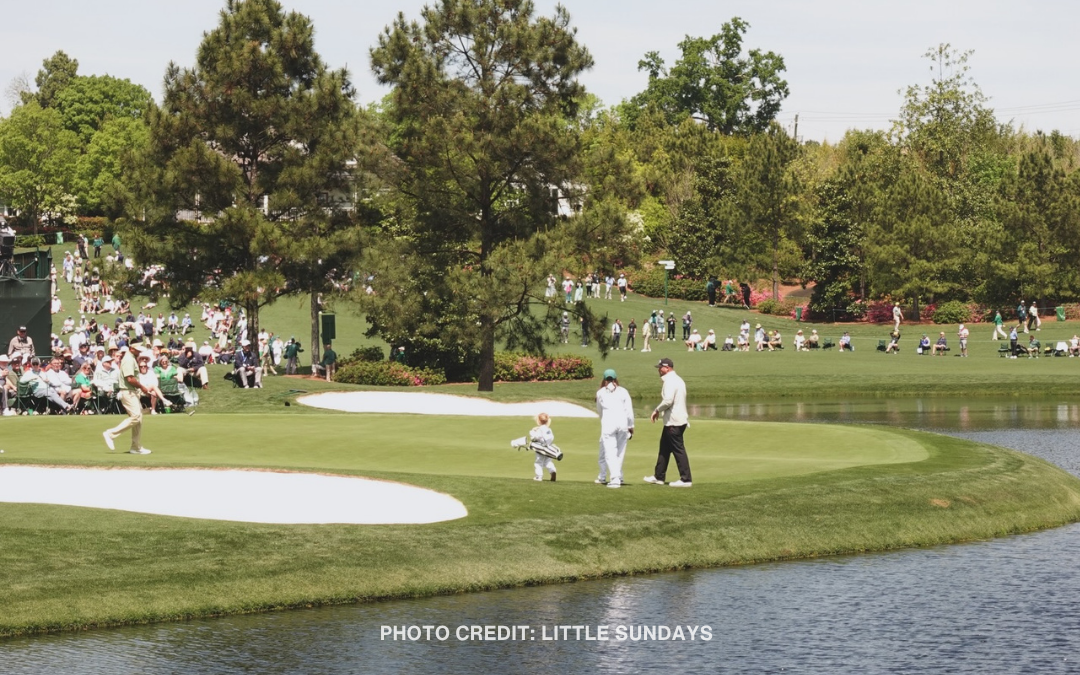
For our client Little Sundays? It's this intersection of family, golf, and ice cream. Which is why the Par 3 Challenge is the perfect place for their brand to show up.
LESSON 05 - Protect the experience.
You won't see a sea of phones or miles of sponsor logos. That's a choice, not a coincidence.
Augusta restricts phones on course. There aren't sponsor banners plastered across every surface. Broadcast partners don't get to plaster their logos on the leaderboard. The experience is kept deliberately clean, quiet, and focused on the golf. Most organizations would look at that and see revenue left on the table.
The Masters looks at it and sees brand equity being built. Every brand faces pressure to add more. More sponsors, more integrations, more noise. It takes real conviction to say no. But the experience you protect is the experience people remember.
What are you allowing into your brand world that's diluting the thing you're actually trying to build? That's worth a hard look.
The Masters isn't the biggest golf tournament in the world by prize money or field size. It's the most iconic because every detail, from the price of a sandwich to the word printed on your badge, serves a single feeling. That feeling is reverence.
Everything at Augusta earns its place by reinforcing that one thing. That's what a great brand does. It picks a feeling and builds a world around it.
Not every touchpoint needs to be expensive or elaborate. It needs to be intentional. The Masters has been intentional for 90 years. That's why it owns the category.
View the Little Sundays case study - https://www.madebyeightyseven.com/work/littlesundays
Interested in creating brand traditions of your own? Book a Brand Vision call today to know where to go next - https://www.madebyeightyseven.com/brandvision
