Branding is about making decisions, not just visual decoration.
It's week 3 of an (87)BrandLaunch engagement. This is when we present our brand storyboards to define a brand direction.
Two directions sat on the screen. The founder kept asking which one looked better. That's when I interjected that it was the wrong question. Even though this is the first design discussion, the visuals are the last thing we address.
Instead of comparing color right out the gate, we shifted to discussing market confidence. We don't get tripped up in typography; instead, we talk about what type of brand we want to be. All of this is based on our workshops and discussions, so there aren't any surprises. But what delights founders is that they suddenly see how design can be used to make critical business decisions.
The why behind the work. It's not about which yellow is more "us"... It's about the story we want to share through the brand. When we present our brand storyboards, they intentionally push the extremes to help define a direction.
One option pushed the brand one way. The other pushed it somewhere else entirely. Same product. Same name. Two completely different businesses hiding inside a design choice.
Not what looks good, or what we prefer, but what matches the vibe of your vision.
This is the part that a lot of founders miss: their brand direction isn't just taste, style, or look. It's a lever. Pick one and your hero product message gets tweaked. The packaging format changes slightly to have a different feel. What features you build first changes.
The visual design is just where all those business decisions become visible.
That's why founders looking to launch their idea quickly love our (87)BrandLaunch program. It's a way to add design and strategy to critical decisions that will be made anyway. There's going to be a pitch deck, signage, messaging... The brand makes all those decisions easier.
Choices don't feel as heavy, because they've already been defined. You're not approving a color. You're creating a big vision and need the right story to share it. And once you define it, you'll finally start to see momentum where you've been feeling friction.
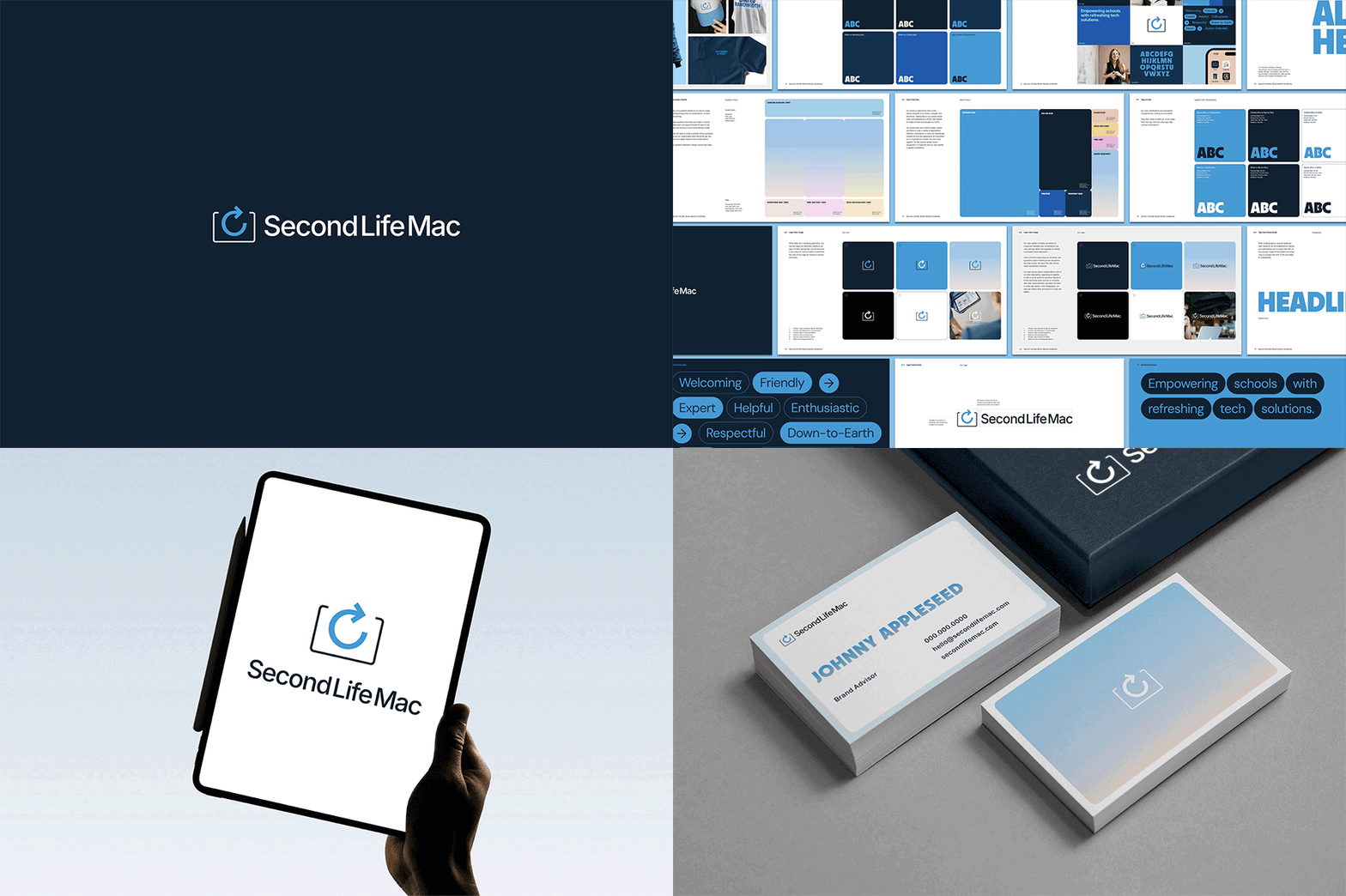
Example 1: Second Life Mac
They buy back and refurbish old Apple devices for schools. The easy way to just be seen is as a buyback vendor. A transaction. They decided that wasn't it. They built the brand around being a refresh partner for education, the ones who help schools stretch a tight tech budget. Same service. A different decision about what they're actually for.
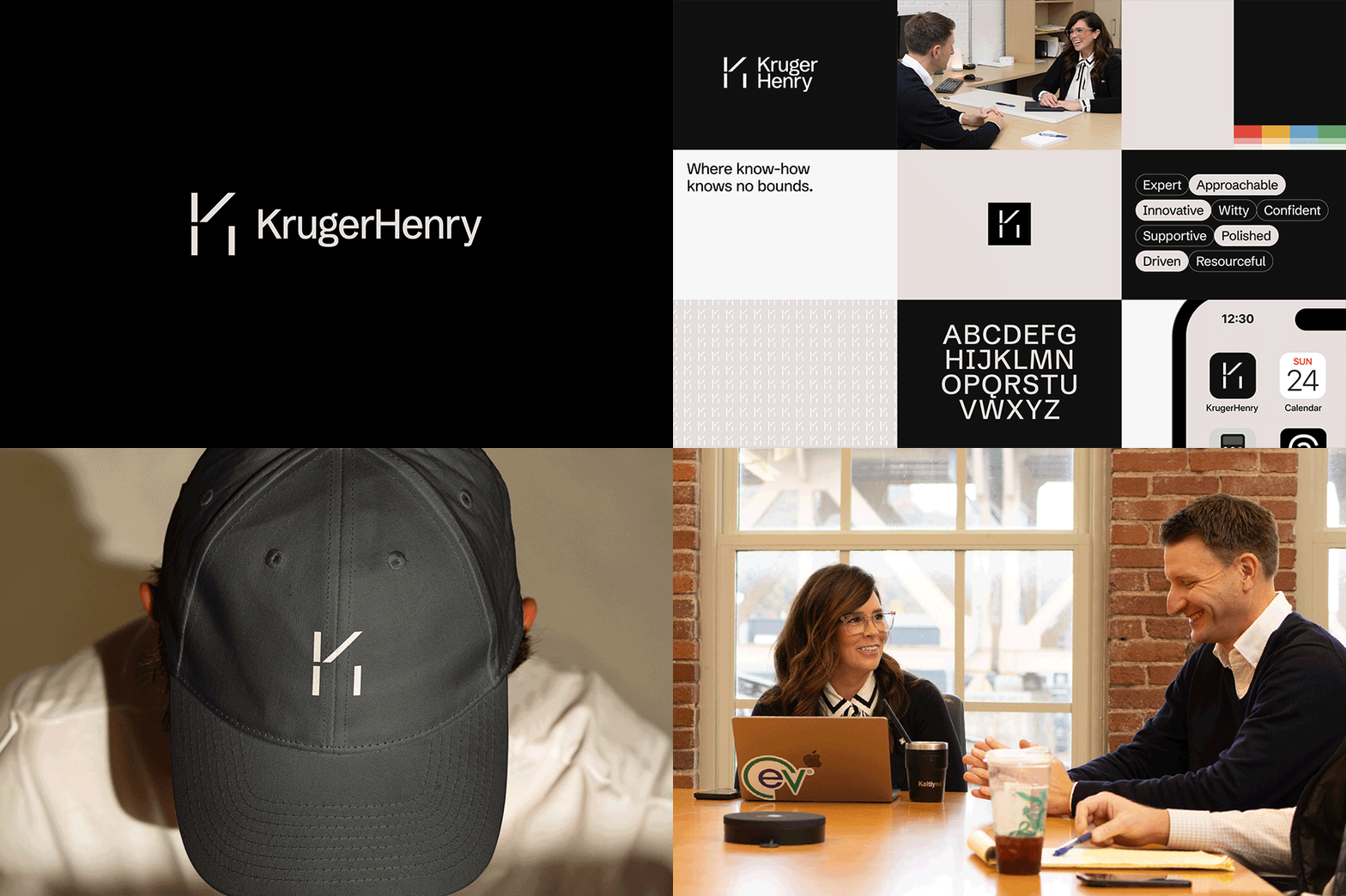
Example 2: KrugerHenry
A legacy law firm changed its name and its look. From the outside, that can read as a facelift. It wasn't. It was the firm deciding what it stands for now and letting the brand catch up to where the business was headed. The new look didn't create the direction. It made it official.
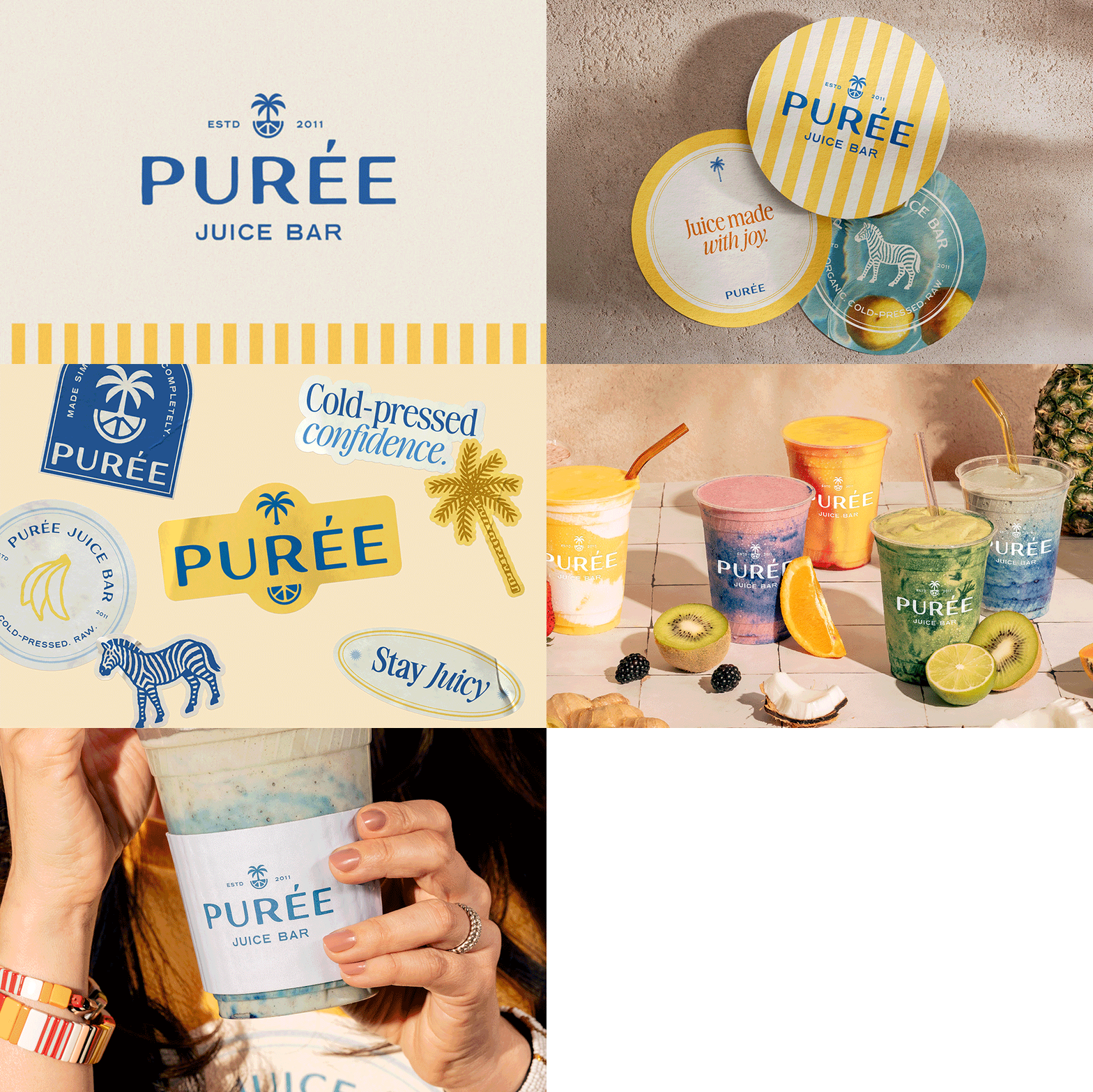
Example 3: Purée Juice Bar
A juice bar could just sell juice. They decided to be about what's inside instead. Organic, and made without the processing shortcuts most brands use to stretch shelf life. That choice runs through everything. The menu, the packaging, the story on the wall. The brand leads with how it's made and the feeling, because that's what sets them apart.
So the next time you're staring at two design directions, stop asking which one is prettier. Ask which one you're willing to build the business around. That's the real choice. The design is just the part you can see.
That's how you make no small brands.
– Maxwell
P.S. Still trying to decide the best direction for your business? That's exactly what a Brand Vision Call is for. We'll name what's working, what isn't, and what to do next. No prep, no pressure. Book a time here.
